Is 2026 an NIL Inflection Point? Why the Next Few Years Matter More Than Most Athletes Realize
The Name, Image and Likeness (NIL) era is still young, but 2026 is shaping up to be a true turning point. Court cases, evolving eligibility rules, and a constantly shifting regulatory framework are accelerating the professionalization of college athletics. Decisions like Fourqurean v.
The Name, Image and Likeness (NIL) era is still young, but 2026 is shaping up to be a true turning point. Court cases, evolving eligibility rules, and a constantly shifting regulatory framework are accelerating the professionalization of college athletics. Decisions like Fourqurean v. NCAA, ongoing debates around JUCO eligibility, and the lack of a centralized governing body are reshaping what it means to be a college athlete with earning power. In many ways, NIL is moving faster than the systems designed to support it.
For athletes, this creates opportunity but also urgency. NIL income is often concentrated into a short window of time, sometimes just a few seasons. The challenge isn’t just making money. It’s turning a temporary earning spike into something that lasts well beyond the final whistle.
That’s where intentional planning (and the right advisory team) matters.
Making the Most of Short Earnings Windows
Unlike traditional careers, NIL income tends to be front-loaded and unpredictable. An athlete may earn more in one or two years than they will in the next decade combined. That makes every decision higher stakes. The difference between using NIL money as lifestyle fuel versus long-term leverage often comes down to structure, discipline, and guidance.
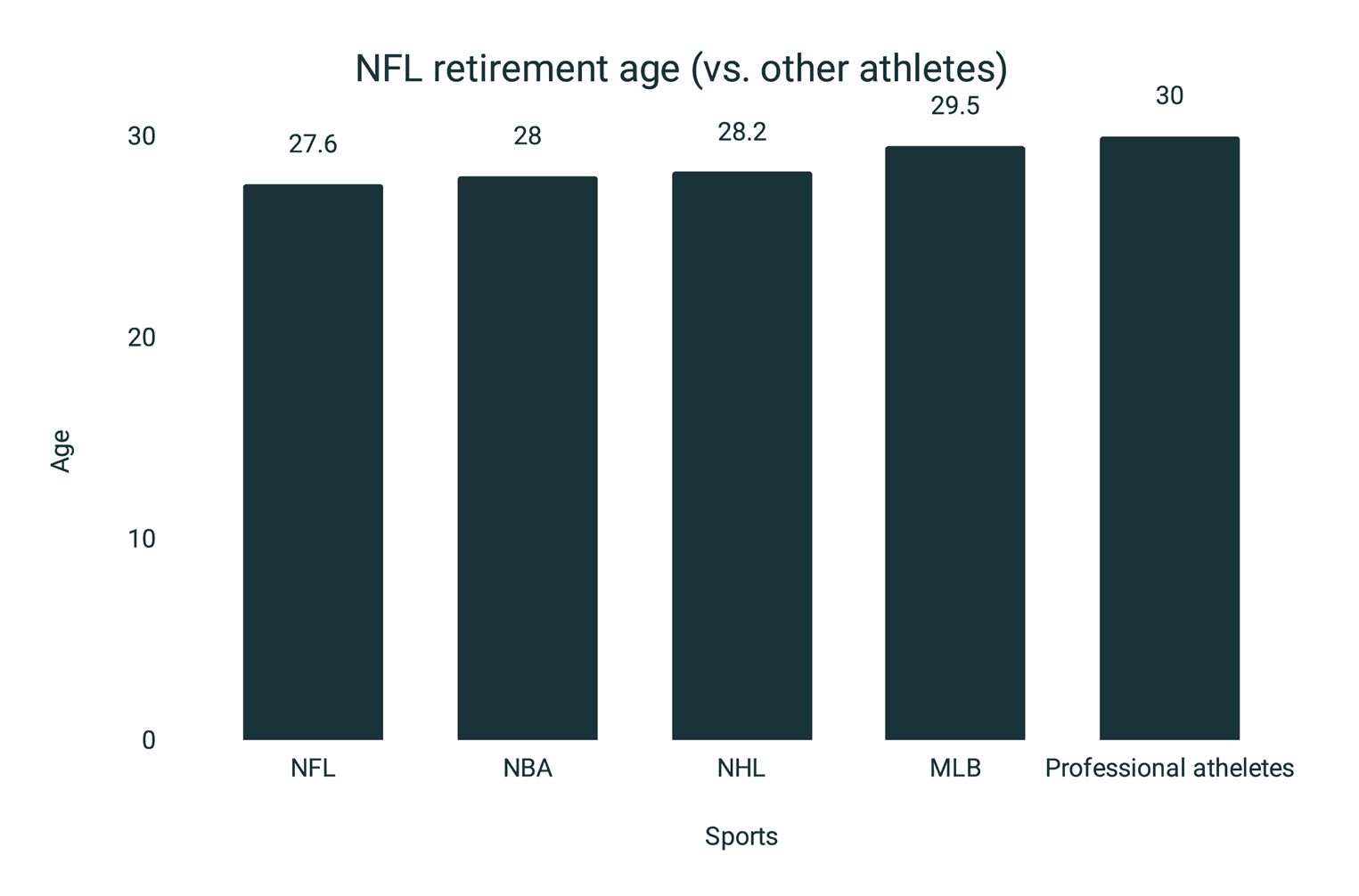
Even for the small percentage of athletes who make it to the professional level, earning windows can be surprisingly short. The average NFL career lasts just a few years, with some positions seeing meaningful income opportunities measured in seasons, not decades. That reality makes college NIL earnings even more important. For many athletes, these years represent the highest and most flexible earning power they’ll ever have, which raises the stakes on how that money is managed, protected, and put to work early.
A fee-only financial advisor plays a unique role here. Not as a salesperson, not as a product pusher- but as someone legally obligated to put the athlete’s best interests first and help them think beyond the immediate moment.
Building Good Financial Habits Early
One of the most valuable things an advisor can help with isn’t investing, it’s behavior. Establishing a simple system for budgeting, saving, and spending creates guardrails when income is lumpy and temptation is everywhere. Athletes who build these habits early tend to keep them long after the NIL checks stop.
Building good money habits doesn’t mean you can’t enjoy the reward of the work you’ve put in. It means understanding cash flow, separating needs from wants, and intentionally deciding what percentage of income gets saved, invested, or set aside for future goals. Those habits compound just as powerfully as investment returns.
Taxes Aren't Optional, Even If They Feel Invisible
NIL income is taxable, often without tax withholding. That catches many athletes off guard. Advisors help athletes understand what portion of each deal truly belongs to them and what portion belongs to the IRS (and possibly the state). Setting aside tax money as income comes in is one of the simplest ways to avoid financial stress later.
Beyond compliance, thoughtful tax planning can reduce unnecessary leakage. Entity structure, timing of income, and coordination with scholarships or other benefits can materially change after-tax outcomes when handled correctly.
Thinking Beyond College
Only a small percentage of athletes turn professional in their sport. Advisors help athletes plan for both paths (pro and non-pro) without betting everything on one outcome. That includes building investable assets, creating optionality, and thinking intentionally about career transitions.
When NIL income is treated as seed capital rather than spending money, it can fund education, business ventures, or long-term investments that support life well after athletics.
Having Someone Firmly In Your Corner
The NIL ecosystem is full of contracts, agents, brands, and opportunities with some great and some questionable. A fiduciary advisor serves as a sounding board and advocate, helping athletes evaluate offers, avoid conflicts of interest, and spot situations that feel too good to be true.
The value isn’t just technical expertise. It’s peace of mind. Knowing someone is paid only by you, and not by commissions or products, changes the dynamic entirely.
What Athletes Should Keep In Mind
NIL income is temporary, but the decisions made with it can be permanent. Build systems early, respect taxes, think long-term, and surround yourself with professionals who are aligned with your interests, not their own.
2026 may mark a new chapter in college athletics. For athletes, it’s also an opportunity to treat NIL not as a moment, but as a foundation. The ones who do will be better positioned long after the headlines move on.
By Nick Ross -Wealth Advisor