

Why Wall Street’s Annual Market Forecasts Are the Financial World’s New Year’s Resolution
Every December, right on schedule, Wall Street does something oddly similar to the rest of us: it makes a batch of New Year’s resolutions it won’t keep. Except instead of “I’m going to read more” or “I’m finally giving up sweets,” the financial version sounds like “The S&P will finish next year at 5,300.” These year-end forecasts come wrapped in confidence and precision (usually to the decimal point) yet they have about as much staying power as the average January gym routine. It’s entertaining, and sometimes even impressive sounding, but the accuracy record speaks for itself. As Warren Buffett once joked, “Forecasts may tell you a great deal about the forecaster; they tell you nothing about the future.”
Why Do We Like Predictions?
What makes these predictions so compelling is the same thing that makes resolutions appealing: they give the illusion of control. They imply that the world will follow a neat, linear storyline tied to the calendar year. But markets operate on their own schedule. They don’t reset on January 1st, and they certainly don’t cooperate just because a strategist released a glossy report. Economic cycles stretch across years, shocks arrive unannounced, and the most meaningful events are usually the ones nobody predicted. Yet every year, we get another round of bold declarations as if last years were never proven wrong.
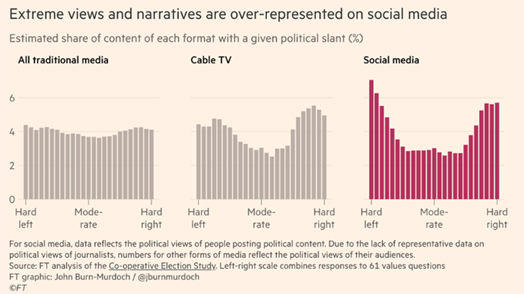
There’s also a commercial incentive behind all of this. Forecasts attract attention, and attention sells whether it’s ad impressions, newsletters, or TV segments. And on social media, the loudest and most extreme takes get pushed to the top, which only amplifies the problem.
Why Temperament is Preferable to Intelligence When It Comes to Investment Success
Sensationalized drama and brash absolutism draw far more eyeballs than a calmer, more honest message like “We don’t know what markets will do next year, and neither does anyone else.” But that quieter message is the one backed by actual evidence (and not a Jim Cramer segment). The investors who succeed long term aren’t the ones who rearrange portfolios based on annual forecasts; they’re the ones who keep a consistent savings rate, diversify broadly, manage taxes intelligently, and avoid the emotional reactions that predictions often trigger.
If anything, the most reliable pattern is that forecasts become more confident as the calendar flips even though the underlying uncertainty stays exactly the same. It’s the financial version of buying a treadmill or expensive gym membership in January: the intention is admirable, but the follow-through is questionable at best. Markets don’t reward confidence; they reward discipline. And discipline doesn’t come from guessing the next 12 months, it comes from having a plan that works regardless of them.
As we head into another season of bold market calls and year-ahead predictions, treat them the way you treat unsolicited life advice from an overly confident relative at Thanksgiving: entertaining enough to listen to briefly, good for a laugh, and absolutely not something to base real decisions on. And the only forecast worth making is this: if you stay disciplined while everyone else gets distracted by predictions, your future self will thank you.